THE NATIONAL SURVEY - 2026 REPORT
Small farms. Big impact.
The voices of nearly 1000 farmers and aspiring farmers reveal the diversity, contribution and challenges of Australia's small-scale farming sector.
Explore the findings ↘
Read the report ↓
979
survey responses from active and aspiring farmers
61.3%
of respondents identified as first-generation farmers
82.5%
reported household off-farm income
69%
ranked business viability among top challenges
One survey. Two essential conversations.
01 · A DIFFERENT PICTURE OF AGRICULTURE
FOR FARMERS & GROWERS
You’re not farming alone
See how your experiences compare with those of other small-scale farmers — from off-farm work and land access to markets, climate and wellbeing.
Explore lived experience ↗
FOR INDUSTRY AND DECISION MAKERS
Evidence to act on
Understand the sector's contributions, the structural barriers identified by respondents, and practical recommendations for policy and investment.
Explore recommendations ↗
82.5% reported household off-farm income. That doesn't make their farms less real — but it can affect how policy and assistance schemes recognise them. Explore economic findings.
The report calls for more inclusive data collection, scale-appropriate finance and regulation, and investment in local food infrastructure. Explore four recommendations.
02 · EXPLORE THE EVIDENCE
What the farmers told us.
Tap a theme to explore the numbers and the story behind them.
WHO FARMS?
61.3%
First-generation farmers
Most respondents were the first in their family to farm. This is a sector building new pathways into agriculture.
Source: report pp. 13, 35–40.
Respondents by state and territory
Number of respondentsThese geographic figures describe survey participation, not farm population density.
LOCATION EXPLORER
Where responses came from
Choose a state or territory to zoom in. Pins group entries from the same postcode; larger clusters represent more entries.
About this map: Map pin positions are approximate postcode/locality reference coordinates, not farm addresses. The map uses an externally hosted Australian postcode reference for coordinates; some entries may not be geolocatable.
2026 Small Farms Count Survey · Young Farmers Connect. Findings refer to survey respondents, not to all Australian farms. Questions had different response totals; multi-select figures may overlap.
03 · Small Farms, Big Contributions
FOOD
Connecting people with their food
Direct sales, farmers’ markets and local food relationships bring growers and communities closer together
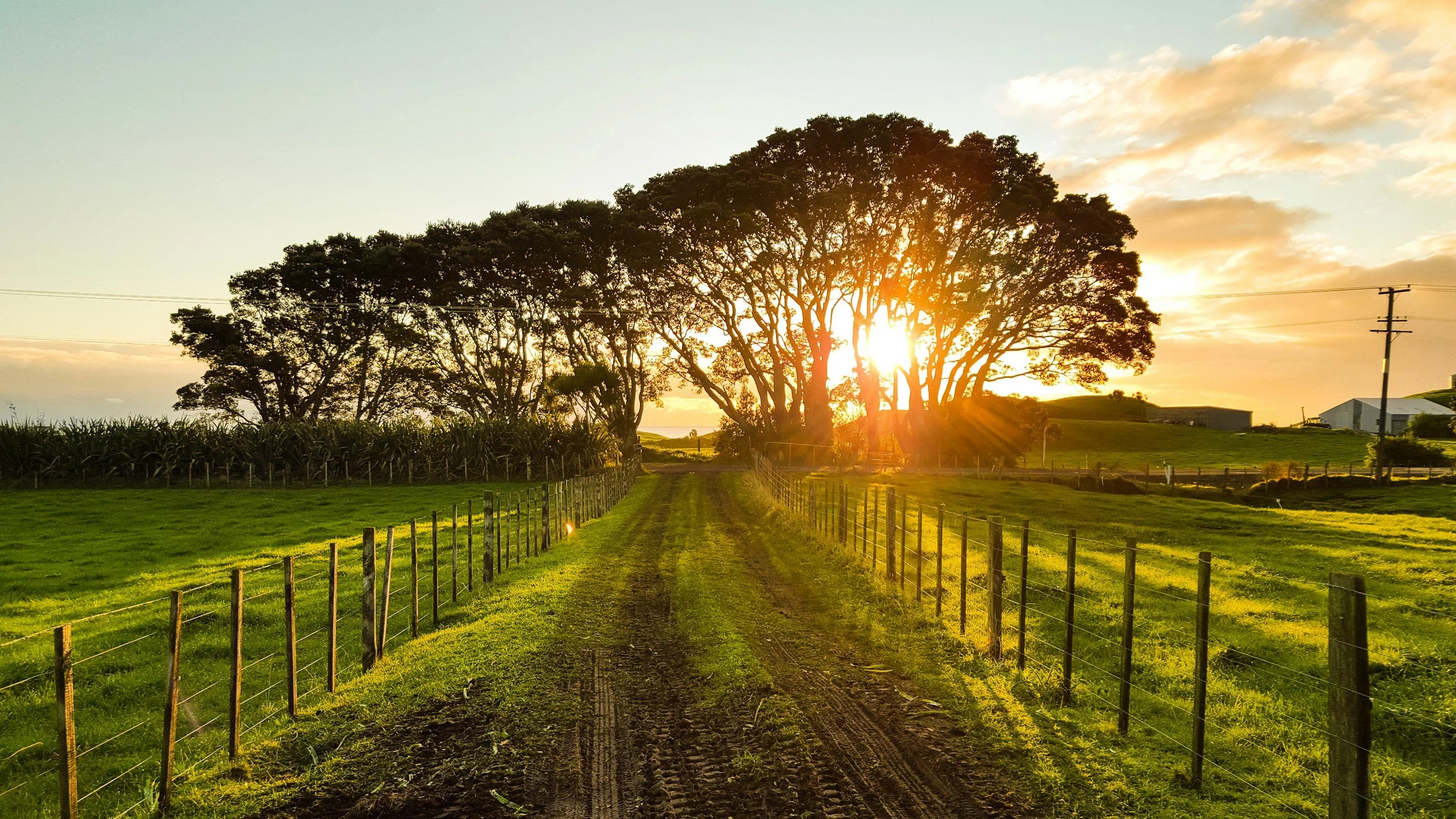
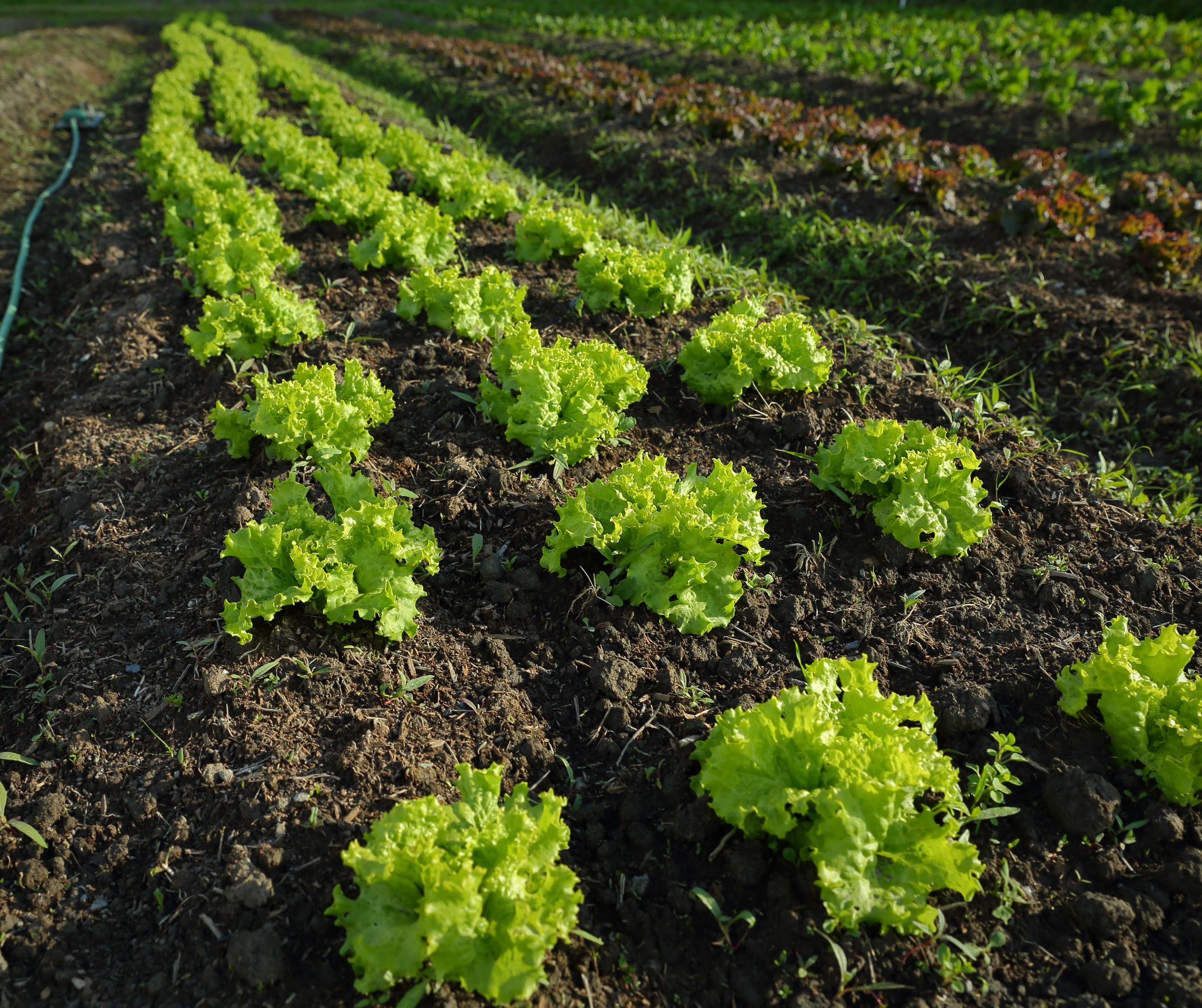
LAND
Looking after the land
Many respondents described regenerative, organics, holistic and other ecologically focussed farming practices
COMMUNITY
Strengthening local connections
From work and educations to trade and mutual support, farms help shape resilient regional communities
The harvest is only part of the story
Small farms do more than grow food. They build communities, support local economies and care for the places we live.
FROM THE FARM - NEIGHBOURHOOD FARM
“The community is the reason we are still operational.”
Matt Bakker, Neighbourhood Farm, Brisbane — Case study, report p.44
Five farms. Five different realities.
04 · THE PEOPLE BEHIND THE DATA
Real experiences help explain the numbers — from community support to difficult decisions about profitability and infrastructure.
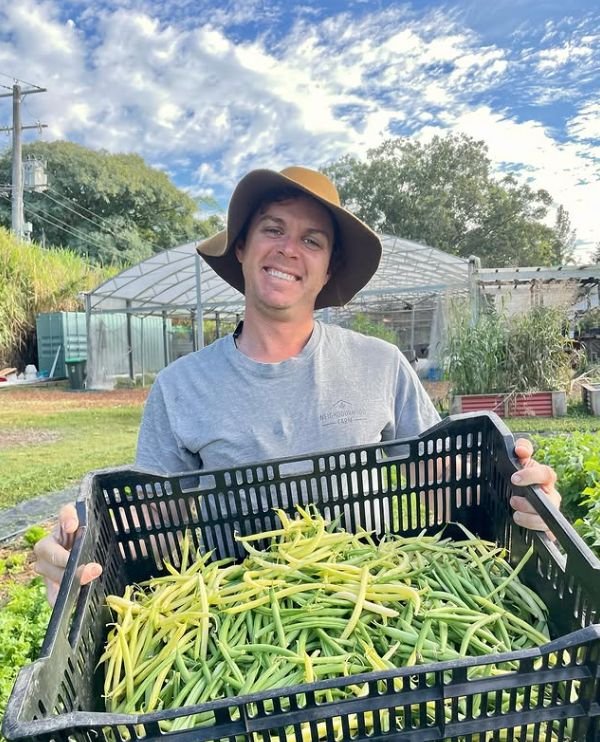
BRISBANE, QUEENSLAND
Neighbourhood Farm
A half-acre market garden where community-supported agriculture strengthens predictability and resilience.
Read the story →
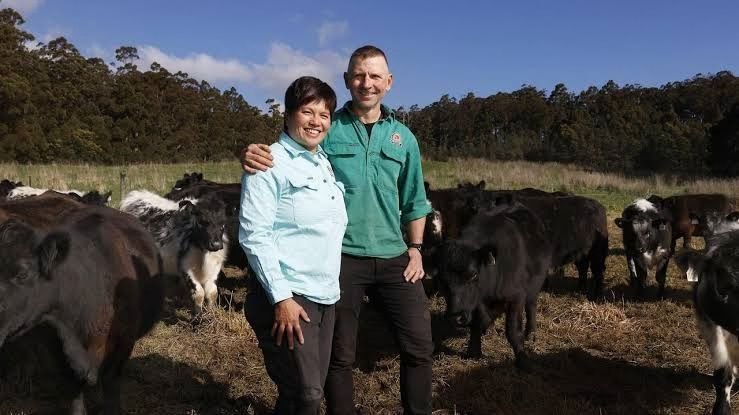
GEEVESTON, TASMANIA
Our Mates' Farm
Organic apples and livestock, with the cost and scarcity of processing infrastructure shaping the business.
Read the story →
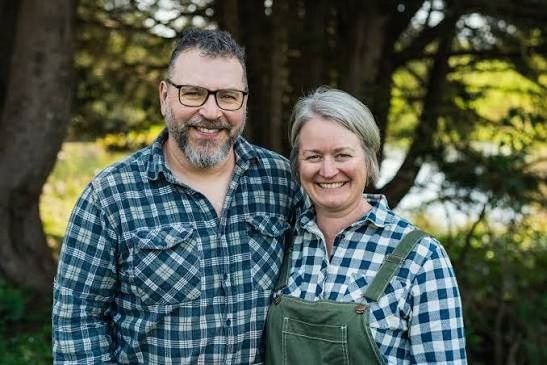
BARRINGTON, TASMANIA
Plump Berries
A candid account of how growing food and running a viable commercial farm are not always the same thing.
Read the story →
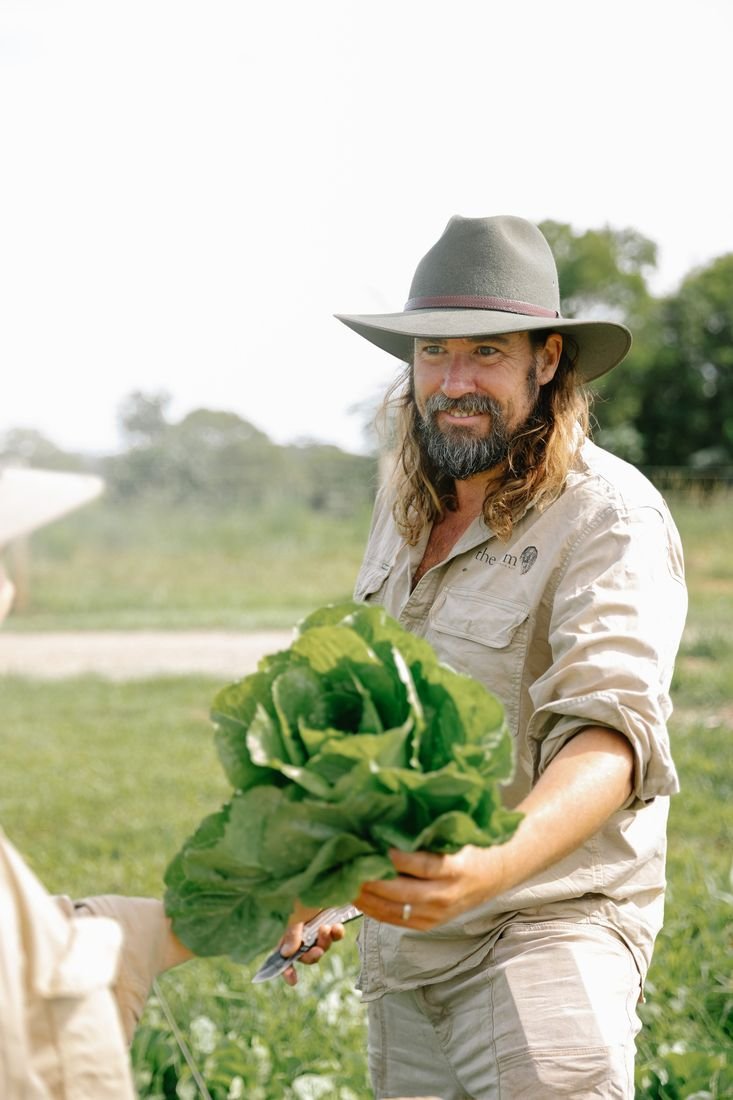
EWINGSDALE, NEW SOUTH WALES
Greens from the Farm
One acre of intensive vegetable production, and the constant work of managing risks and cash flow.
Read the story →
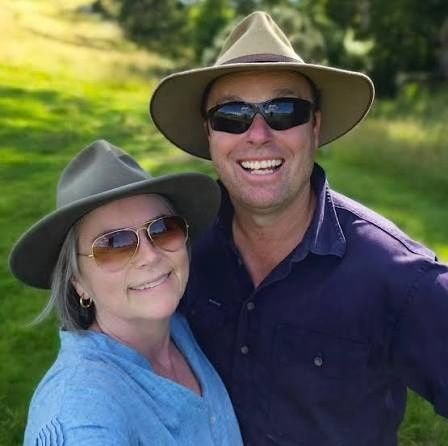
LILYDALE, TASMANIA
Summerlea Farm
A seventh-generation beef farm combining habitat restoration, direct sales and off-farm employment..
Read the story →
THE BIGGER PICTURE
Every figure has a farmer behind it.
Across different landscapes and enterprises, common barriers emerged: viable incomes, infrastructure, land, weather and policies that don't fit.
Explore what needs to change ↗
05 · FROM EVIDENCE TO ACTION
Four priorities for a thriving sector.
These recommendations are drawn from the report's framework for action. Expand each priority to see its proposed actions and lead actors.
-
Better recognition starts with definitions and evidence that reflect the contribution of small farms, including economic, ecological and social value.
Establish a nationally recognised small-scale farming definition.
Embed the sector in ABS and ABARES data systems and commission recurring surveys.
Measure environmental stewardship and contributions to local economies and communities.
Report pp.18–19.
Who needs to act?
Federal, state and territory governments; ABS; ABARES; DAFF; researchers; local government.
-
Strengthen the practical foundations needed for farmers to establish, continue and adapt.
Support long-term land matching and secure leases.
Provide scale-appropriate loans, micro-grants and advisory support.
Invest in farmer health and wellbeing, education, mentoring and First Nations-led initiatives.
Report pp.20–22.
Who needs to act?
Governments, educational institutions, regional organisations, funders and farming networks. -
Farms need efficient routes to market and access to suitable shared infrastructure.
Co-design regional food plans and strengthen extension services.
Invest in food hubs, cold storage, washing and packing facilities and small-scale processing.
Open reliable demand through government and institutional food procurement.
Report pp.23–24.
Who needs to act?
State and local governments, regional development bodies and food-system partners. -
Rules and assistance schemes should reflect smaller, diversified and mixed-income farm businesses.
Streamline planning for farm-gate sales, farm sheds, low-risk processing and accommodation.
Improve affordable rural housing and farm worker options.
Reform disaster assistance eligibility and address small-farm water access.
Report pp.25–26.
Who needs to act?
All levels of government, planning authorities and emergency management agencies.
This is a concise website adaptation of the report's recommendations. For complete wording, responsibilities and evidence references, consult pp.17–26 of the full report.
06 · BEHIND THE RESEARCH
Understanding what the data can — and can't — tell us.
How the survey was conducted
Young Farmers Connect surveyed self-identified small-scale farmers and aspiring farmers across Australia in April–May 2024 and published this report in 2026.
979 valid responses reported in the findings and methods.
Participant groups: 781 farming for income, 65 farming voluntarily, and 133 aspiring farmers (report p.35).
Online recruitment through farming and allied networks using a snowball-sampling approach.
Survey combined quantitative responses, open-text experiences and five farm case studies.
Important limitations
This is an important national benchmark, not a statistically representative census of all Australian small-scale farms.
Self-identification was used rather than a fixed land or turnover definition.
Network-based recruitment may overrepresent some groups and regions.
The survey was in English and online, possibly excluding some participants.
Totals, denominators and percentage bases vary by question. Some report figures require editorial reconciliation before wider reuse.
Methodology and limitations: report pp.127–129.
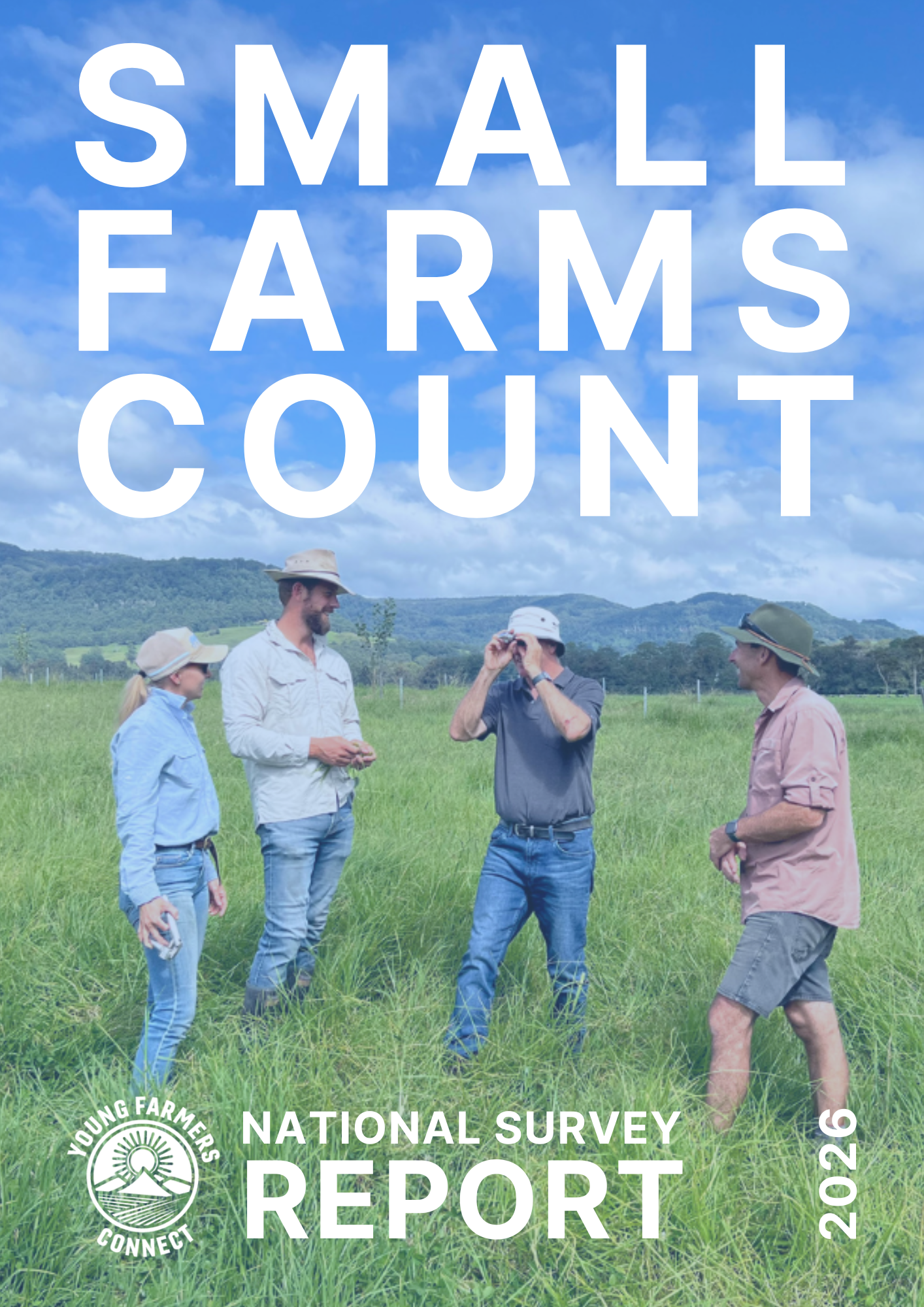
Download the full report ↓
Young Farmers Connect. (2026). Small Farms Count Survey Report 2026. Young Farmers Connect Incorporated.
Licence: CC BY-NC-ND 4.0. Survey data and website summaries should retain accurate attribution.
Go beyond the headlines.
ALL THE GRITTY DETAILS
Read the complete 2026 Small Farms Count Survey Report, including the full analysis, farm stories, recommendations, references and methodology.
The website is the entry point. The report remains the authoritative record for detailed wording and citations.
Small Farms Count is a project of Young Farmers Connect We are a not-for-profit that unites new, young and aspiring farmers, providing tailored education and peer-to-peer learning across Australia. We empower people to connect; with the land, their food and each other. Learn more about our vision, programs and partners here :

This action research project has been generously supported and enabled by the Vincent Fairfax Family Foundation, Sustainable Table, Sustain - Australian Food Network, the National Young Farmers Coalition (US)


Young Farmers Connect acknowledges Aboriginal and Torres Strait Islander peoples, who are the traditional custodians of this land and pay respects to Elders both past and present. We honour their deep knowledge, wisdom and ongoing connection to Country, and seek to learn from this wisdom in the way we interact with each other and the land, sea and sky. We recognise that we farm, work and live as stewards on unceded lands.